Bringing home a real evergreen is one of the most anticipated traditions of the holiday season. Yet, a few simple oversights at the tree lot can turn a festive centerpiece into a premature mess of dry needles.
Many holiday shoppers focus solely on finding a full, symmetrical silhouette while overlooking ceiling clearance, trunk freshness, stand capacity, and indoor placement. Avoiding these common mistakes when buying a Christmas tree starts well before you load one onto your roof or schedule a delivery.
This guide breaks down the most common Christmas tree-buying mistakes and shares practical, real-world Christmas tree shopping tips so your tree stays green, fragrant, and safe all season long.
Understanding Common Christmas Tree Buying Mistakes
The biggest Christmas tree buying mistakes include skipping room measurements, forgetting to test needle freshness, using an undersized stand, delaying a fresh trunk cut, and placing the tree near heat sources. Following basic real Christmas tree shopping tips prevents premature needle drop and keeps your holiday display looking vibrant.
Skipping Measurements Before Visiting the Tree Lot
Measuring for a Live Christmas Tree Properly
One of the most frequent missteps is eyeballing a tree on an open outdoor lot, where tall evergreens always look smaller than they do inside a living room. Measuring for a live Christmas tree before you leave home saves you from trimming off the top leader branch or squeezing furniture out of the way.
Measure your ceiling height and subtract at least 12 to 18 inches to leave room for the tree stand and a tree topper. Just as important, measure the width of the floor space—including doorways, hallways, and stairwells—so the widest lower branches fit comfortably without brushing against walls or blocking exits.
Forgetting Stand Compatibility and Water Capacity
Another overlooked detail is matching your tree’s trunk diameter to your stand. According to the National Christmas Tree Association care tips, a tree stand should hold at least 1 quart of water for every inch of stem diameter.
Never whittle or shave down the outer bark of the trunk to force it into a small stand, because those outer layers of wood are the most efficient at absorbing water. Shopping at a full-service lot like Mr. Greentrees, where trees come paired with properly fitted stands, eliminates the guesswork.
Overlooking Freshness and Species Differences
How to Choose a Fresh Christmas Tree
Not every green tree on a lot is equally fresh. Knowing how to choose a fresh Christmas tree takes less than a minute and helps you avoid bringing home a tree cut weeks too early.
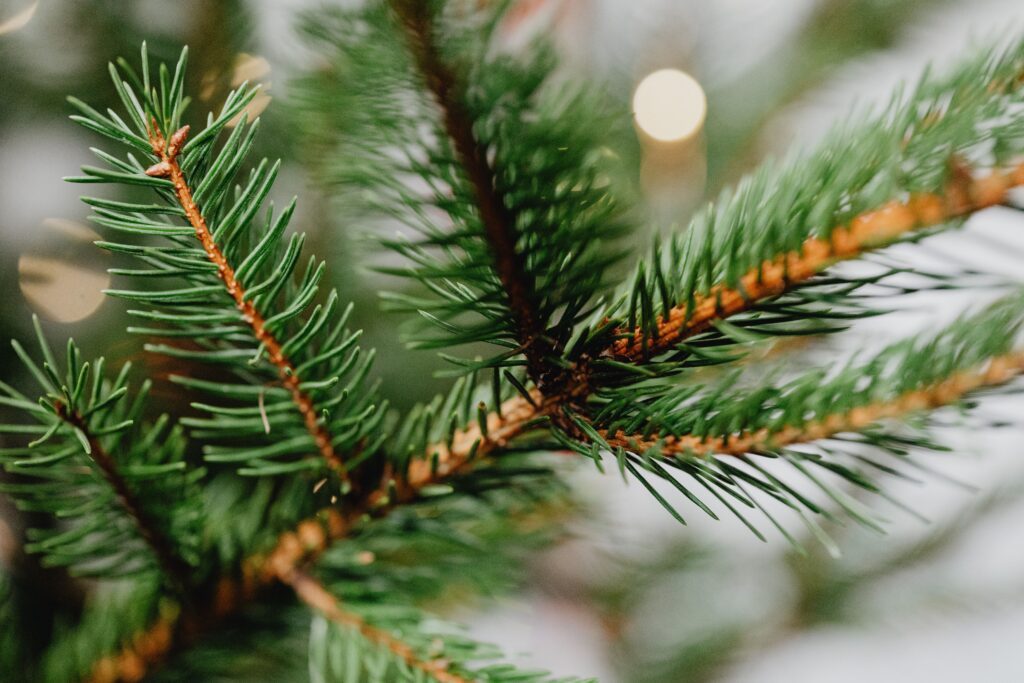
Start by running your fingers gently along a branch—fresh needles should feel pliable and stay attached rather than showering the ground. Next, bend a single needle in half: fresh fir needles tend to snap cleanly, while fresh pine needles bend without breaking. Finally, tap the cut base lightly on the ground; losing a few dry inner needles is normal, but heavy shedding of green outer needles is a clear sign to keep looking.
Picking the Wrong Tree Variety for Your Ornaments
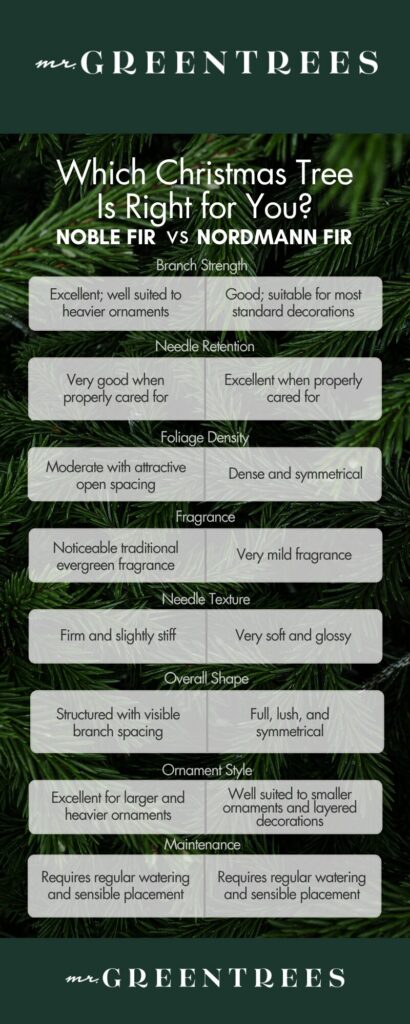
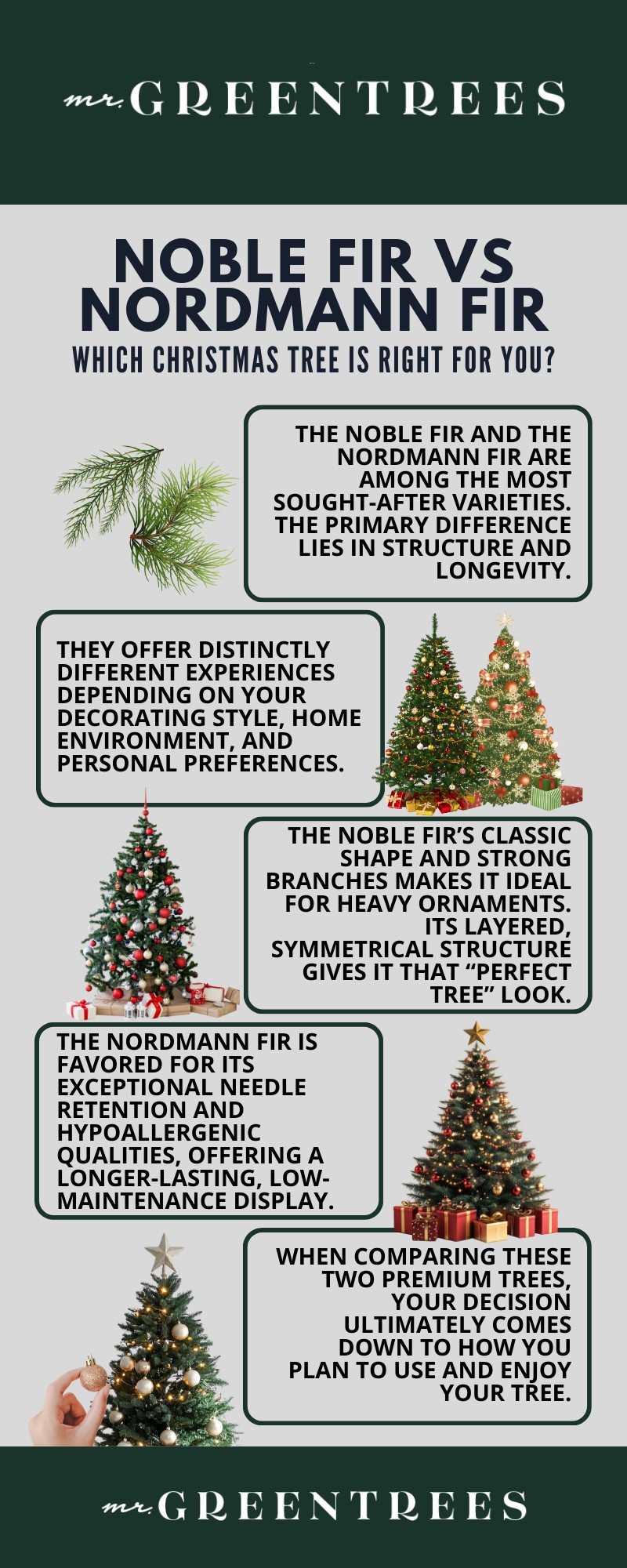
Different evergreen species have very different branch strength, fragrance, and needle retention. Buying a soft-branched tree when you own heavy glass or heirloom ornaments often leads to drooping limbs and broken keepsakes.
Exploring different Christmas tree varieties before you shop helps match the species to your decorating style. Fraser Firs and Noble Firs offer sturdy, spaced branches ideal for heavier ornaments and strong needle retention. At the same time, Douglas Firs provide a classic full shape with softer needles and a sweeter citrus-pine scent.
Mishandling the Trunk Cut and First Watering
Skipping the Fresh Base Cut
Once a tree is harvested, natural resin (sap) seals over the cut end within hours to protect the wood. If you place a tree straight into water without a fresh cut, it will struggle to take up water and dry out rapidly.
Before setting up your tree, make a straight, perpendicular cut removing a 1/2-inch to 2-inch disk from the bottom of the trunk. Avoid cutting the trunk at an angle or in a V-shape, as this reduces stand stability and limits water uptake.
Waiting Too Long to Get the Tree Into Water
Most species can go roughly 6 to 8 hours after a fresh cut before sap begins resealing the base. Leaving a freshly cut tree sitting dry in a warm garage overnight is one of the fastest ways to shorten its lifespan.
If you cannot decorate right away, place the freshly cut trunk in a bucket of water in a cool, shaded area until you are ready to bring it indoors. Once inside, check the water reservoir every single day—especially during the first week, when a fresh tree drinks the most—and review detailed Christmas tree care tips if the water level accidentally drops below the trunk base.
Ignoring Indoor Placement and Fire Safety
Setting Up Near Heat Sources or Direct Sunlight
Real evergreens prefer cool temperatures. Placing your tree next to a working fireplace, heating vent, radiator, space heater, or sunny south-facing window accelerates moisture loss and causes needles to turn brittle in days.
Under NFPA holiday fire safety guidelines, heat sources positioned too close to a tree cause nearly one in four home Christmas tree fires. Keep your tree at least three feet away from any heat source and avoid blocking doorways or natural walkways.
Using Worn Lights or Leaving Dry Trees Up Too Long
Electrical distribution or lighting equipment is involved in roughly 40% of home Christmas tree fires. Always inspect light strands for frayed cords or loose bulbs before stringing them, choose cool-burning LED lights to reduce heat, and turn tree lights off before going to sleep or leaving home.
You can review the full NFPA Christmas Tree Safety Tip Sheet for a quick seasonal checklist, and be sure to recycle or dispose of your tree promptly once the holidays end or the needles become dry.
Christmas Tree Buying Mistakes Comparison Table
Seeing the most common shopping pitfalls alongside their simple fixes makes it easier to prep before heading to the tree lot.
The table below outlines five common Christmas tree-buying mistakes and how to avoid them in 2026.
| Common Mistake | Why It Causes Problems | How to Avoid It |
|---|---|---|
| Skipping Room Measurements | Tree hits the ceiling or blocks walkways | Subtract 12 to 18 inches from ceiling height for stand and topper |
| Not Testing Needle Freshness | Tree sheds heavily within days | Check for pliable green needles and do a gentle trunk tap test |
| Shaving the Trunk to Fit a Stand | Damages outer wood that absorbs water | Use a stand holding 1 quart of water per inch of trunk diameter |
| Delaying the Fresh Cut and Water | Sap seals the base and blocks hydration | Cut 1/2 to 2 inches straight off the base and water immediately |
| Placing Near Heat or Sunlight | Rapidly dries needles and raises fire risk | Keep at least 3 feet from fireplaces, vents, and sunny windows |
Care and safety guidelines reflect National Christmas Tree Association and NFPA recommendations for general holiday planning.
Enjoy a Fresher Tree All Holiday Season
Avoiding the most common mistakes when buying a Christmas tree comes down to a few minutes of preparation before you shop and consistent daily watering once your tree is home.
By measuring for a live Christmas tree ahead of time, testing needle freshness on the lot, choosing a variety that supports your ornaments, and keeping the stand filled away from heat sources, your real evergreen can stay lush and fragrant well past Christmas Day.
If you are shopping for a fresh-cut tree in the Los Angeles or West Hollywood area and want help choosing the right size, species, or delivery option, reach out to Jennifer Trees at Mr. Greentrees today at (310) 276–9827 or info@mrgreentrees.com. A quick conversation with the team can help you bring home a centerpiece that lasts all season.
Frequently Asked Questions
The most common mistakes include failing to measure ceiling height and floor space, buying a tree without checking needle freshness, whittling the trunk to fit a small stand, skipping a fresh base cut, and placing the tree too close to heating vents, fireplaces, or direct sunlight.
Check that the needles look vibrant green and feel flexible rather than brittle. Gently pull a branch through your hand and lightly tap the trunk on the ground—losing a few dry inner needles is normal, but heavy shedding of green outer needles indicates the tree is already drying out.
Measure from the floor to the ceiling and subtract at least 12 to 18 inches. This leaves enough room for the height of your tree stand plus your star or angel topper without bending the top branch.
Place your tree in water as soon as possible after making a fresh straight cut—ideally within 6 to 8 hours. Waiting longer allows natural tree sap to seal over the cut surface, preventing the tree from drinking effectively.
A general rule from the National Christmas Tree Association is to use a stand that holds 1 quart of water per inch of trunk diameter. Check the bowl daily, especially during the first week indoors, and never let the water drop below the cut base.
Keep your live Christmas tree at least three feet away from fireplaces, radiators, space heaters, candles, and heating vents. Cooler room temperatures slow down moisture loss and significantly reduce fire risk.
Fraser Firs, Noble Firs, and Balsam Firs are widely known for strong needle retention and sturdy branches that hold heavier ornaments well. Pairing a fresh fir with daily watering helps your tree stay green throughout December.